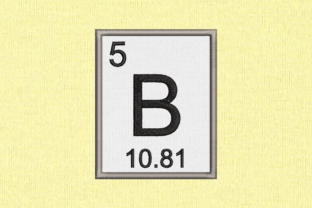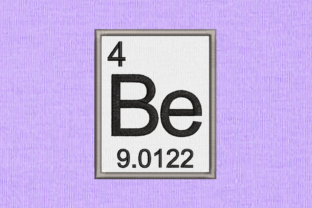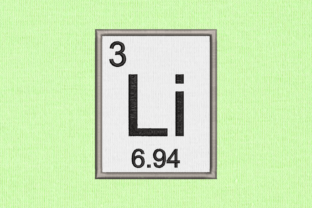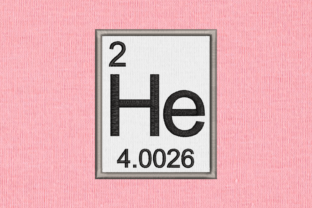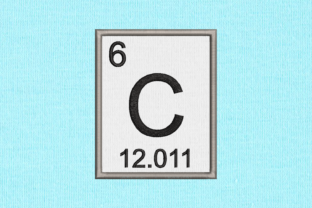
Periodic Element 6 C Carbon Applique
A Smart, Science-Savvy Choice for Small Business Branding
As an embroidery designer who’s stitched logos for over 200 small businesses—from indie bakeries to botanical studios—I immediately appreciated the quiet confidence of the Periodic Element 6 C Carbon Applique. It doesn’t shout. It *states*. With its clean inclusion of atomic number “6”, elemental symbol “C”, and implied scientific authority, this machine embroidery design lands as modern, intelligent, and subtly aspirational—not just decorative. For a café naming its house blend “Carbon Roast”, a florist branding compostable packaging with elemental motifs, or a handmade soap brand highlighting natural carbon-based ingredients, this isn’t novelty. It’s narrative shorthand.
Where This Applique Adds Real Value to Merchandise
The Periodic Element 6 C Carbon Applique excels where clarity, consistency, and character matter most: embroidered patches for staff aprons, chest accents on custom apparel, minimalist sleeve details on work shirts, and subtle cap fronts for creative studio teams. Its balanced proportions translate beautifully to tote bag designs—especially when placed near a handle seam or centered on a front panel—and it scales well as a branded product add-on on reusable packaging, gift tags, or even ceramic mug sleeves (when applied via heat-transfer embroidery backing).
For Etsy sellers and craft businesses, this digital embroidery file supports visual cohesion across multiple touchpoints: pair it with a simple sans-serif wordmark on printable mockups, use it as a recurring motif in seasonal Back To School collections (think lab-coat-inspired aprons or science-themed teacher gifts), or layer it into a series of elemental patches—each representing a core value (e.g., Carbon = foundation, Oxygen = energy, Iron = strength). That kind of intentional repetition builds brand identity without overwhelming the handmade product aesthetic.
Design Personality Meets Professional Tone
This isn’t a cartoonish or overly playful interpretation. The Periodic Element 6 C Carbon Applique reads as confident yet approachable—scientific enough to earn trust from educators and makers, warm enough to feel human-centered. It avoids clinical sterility by relying on clean lines and open spacing rather than dense fills, making it feel more like a thoughtful emblem than a textbook diagram. That balance is critical for small business merch: customers notice professionalism before they read the label, and this design signals attention to detail without sacrificing warmth.
Use Cases That Shine—and Where to Proceed Thoughtfully
It performs exceptionally well on medium-to-large embroidered patches (2.5"–4"), apron pockets, tote bag corners, and flat-front caps. On textured fabric like canvas or duck cloth, its legibility holds up thanks to generous letter spacing and strong contrast between symbol and background. However, exercise caution at very small patch sizes (<1.75"): the atomic number “6” and fine outline may blur under stitch density, especially on dark uniforms or high-wear items like service aprons that undergo frequent washing.
Avoid placing it on highly curved surfaces (e.g., deep cap crowns or rounded tote gussets) without testing first—the geometry of the element symbol can distort if hooping tension isn’t calibrated. Also, confirm thread color contrast early: a charcoal “C” on navy twill may lack pop unless paired with bright white or metallic silver thread. Always test the embroidery file in black and white first to assess value separation.
Strengthening Brand Identity Through Precision Stitching
When used consistently, the Periodic Element 6 C Carbon Applique reinforces credibility—not just as a “science lover’s badge,” but as a marker of intentionality. Customers associate clean, well-executed embroidery with care in craftsmanship, which elevates perceived product value. For a pet brand using carbon-filtered water in grooming services, or a sustainable boutique highlighting carbon-neutral shipping, this applique becomes a visual cue for transparency and substance. It also supports visual consistency across design assets: whether stitched on a cotton apron or rendered in a vector mockup, its structure remains instantly recognizable—no rebranding needed.
Practical Embroidery Designer Notes for Commercial Use
- Test before production: Run a sample on your target fabric with recommended stabilizer—especially for stretchy or loosely woven textiles.
- Check scale integrity: Verify legibility at your smallest intended patch size; adjust digitizing if needed (e.g., slightly bolding the “6” or widening inner counters).
- Review thread colors: Prioritize high-contrast combos—white or neon yellow on dark backgrounds, deep navy or black on light fabrics—to maintain readability after repeated laundering.
- Confirm hoop size compatibility: Ensure your frame accommodates the full design width without re-hooping mid-stitch, which risks alignment gaps.
- Create client-facing mockups: Pair the Periodic Element 6 C Carbon Applique with real garment photos or printable mockups to secure approval before stitching begins.
- Compare alongside other assets: Lay it beside your logo, typography, and secondary icons to ensure visual harmony—not competition.
- Verify commercial licensing: Since this is intended for small business merch and embroidered patch production, confirm the digital embroidery file includes rights for resale and commercial embroidery use. When in doubt, contact the seller directly—never assume.
Final Thought: More Than a Symbol—A Strategic Stitch
The Periodic Element 6 C Carbon Applique is more than a clever nod to chemistry—it’s a versatile, scalable, and quietly powerful tool for small business owners building authentic brand identity. Whether anchoring a Back To School capsule collection or adding refined distinction to staff uniforms, it bridges intellect and craft without pretension. For embroidery shops and apparel decorators, it’s a low-risk, high-recognition asset: easy to digitize, simple to scale, and meaningful enough to resonate far beyond the stitch line. Just remember—great embroidery starts with smart decisions long before the needle drops.