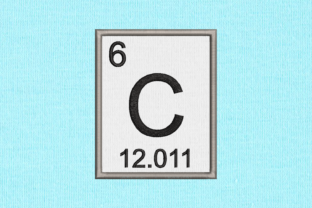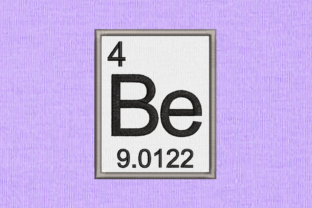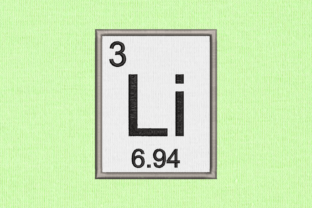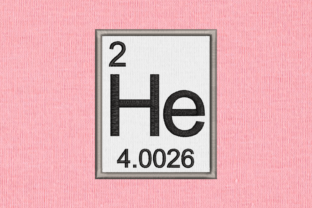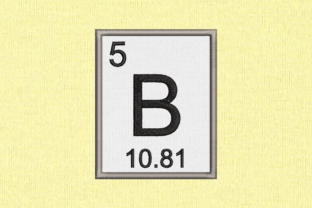
Periodic Element 5 B Boron Applique
A Thoughtful Embroidery Choice for Science-Loving Hearts
As an embroidery designer who’s stitched thousands of personalized gifts—from baby blankets to wedding towels—I immediately felt the quiet charm of the Periodic Element 5 B Boron Applique. It’s not flashy, but it carries a gentle intelligence: clean lines, balanced proportions, and that unmistakable handmade warmth. The design features Boron’s atomic number (5), its elemental symbol (B), and—based on the description—a subtle, cohesive layout built for clarity, not clutter. There’s no forced whimsy here; instead, it offers quiet elegance—ideal for customers who value meaning over mass appeal. Whether stitched in soft ecru on a linen pillow or rich navy on a cotton tote, this Creative Fabrica embroidery design feels both modern and timeless.
Where This Applique Truly Shines
The Periodic Element 5 B Boron Applique fits naturally into heartfelt, story-driven gifting—not just as decoration, but as quiet symbolism. For baby embroidery, it’s perfect for a science-minded parent’s nursery: think a monogrammed onesie paired with Boron’s atomic number beside baby’s birth date, or a tiny applique on a muslin swaddle blanket. As a wedding gift, it adds personality to embroidered towels or linen napkins for a couple who met in chemistry class—or simply shares a love of curiosity and precision. Family keepsakes gain emotional weight when stitched onto memory pillows or framed hoop art alongside handwritten notes about what “elemental” means to them.
It also works beautifully across everyday handmade products: a minimalist apron for a lab-coat-wearing chef, a sturdy tote for a teacher heading back to school, or a cozy throw pillow for a university dorm room. Because it’s compact and legible at small scale, the Periodic Element 5 B Boron Applique lends itself well to coordinated sets—say, a trio of elements (Boron, Carbon, Nitrogen) on matching pillow covers for a science-themed nursery. Etsy sellers will appreciate how easily it translates into printable mockups: one clean stitch-out photographed on neutral fabric creates instant visual consistency for listings.
Practical Considerations for Real-World Stitching
Before sending this machine embroidery design to your hoop, take time to assess practical fit. The lettering is small but intentional—atomic numbers and symbols must remain legible, especially on textured towels or thick fleece blankets. On stretchy baby clothes, I recommend using a lightweight cutaway stabilizer beneath a tear-away top layer to prevent distortion. For dark fabrics, test thread colors carefully: matte cotton threads often read more clearly than shiny polyesters, and a light gray or soft silver can add subtle contrast without shouting.
Stitch density matters. While the description doesn’t specify count or fill density, the word “applique” suggests layered construction—meaning you’ll likely work with a base fabric layer, a tack-down stitch, and a finished outline or satin border. That structure helps hold shape on uneven surfaces like terry cloth or quilted cotton. Still, always create a test stitch-out first. Check how cleanly the “B” curves render, whether the number “5” holds crispness at your chosen size, and how the overall footprint behaves in your standard hoop.
Why It Builds Trust—and Turns Buyers Into Believers
In handmade markets, details like the Periodic Element 5 B Boron Applique do quiet emotional labor. When a customer sees precise, thoughtful stitching—especially on something as personal as a baby blanket or wedding towel—they don’t just see craft. They see care. That perception elevates perceived quality, supports higher pricing, and encourages repeat orders. Photographing the finished product becomes easier too: clean lines and balanced negative space make for strong, scroll-stopping Etsy thumbnails. And because it’s rooted in real meaning—not trend-chasing—it invites conversation, storytelling, and connection—the very things that turn casual browsers into loyal buyers.
Smart Next Steps for Small Shop Owners & Crafters
If you’re adding the Periodic Element 5 B Boron Applique to your digital embroidery file library, start simple: stitch it on a scrap of your most-used fabric, using your go-to thread palette. Compare how it reads on light versus dark backgrounds. Try two stabilizer combos—one for stable woven cotton, another for knits or terrycloth—and note differences in edge definition and puckering.
Review the full product details on Creative Fabrica before offering finished items for sale. Licensing terms vary by designer, and commercial use permissions are essential for Etsy sellers, craft fair vendors, or anyone producing custom embroidery for clients. Confirm whether the file includes multiple sizes or alternate versions—some designers include simplified outlines for denser fabrics or larger-scale versions for wall hangings.
Remember: even the smallest personalized gift carries weight. A single element, thoughtfully placed, can anchor a whole collection—whether you’re building a Back To School line for teachers, launching a science-inspired baby brand, or designing custom home decor for couples who geek out over the periodic table. The Periodic Element 5 B Boron Applique isn’t just a design—it’s a quiet invitation to celebrate curiosity, one stitch at a time.
Final Tip for Every Embroiderer
- Always verify hoop size compatibility before stitching—especially if combining this with other designs.
- Use proper stabilizer for your fabric texture: cutaway for knits, tear-away for stable wovens, fusible for lightweight linens.
- Test thread colors under natural light—what looks balanced on screen may shift dramatically on fabric.
- Inspect small details after stitching: gently press (no steam) and check symbol clarity before packaging your handmade product.
- When listing on Etsy or social media, pair your photo with context: “Perfect for the chemist, teacher, or lifelong learner in your life.”