Peekaboo Girl: A Designer’s Real-World Embroidery Review
As a designer who’s stitched hundreds of machine embroidery designs across apparel, home goods, and boutique merchandise, I approach every new file with equal parts curiosity and caution. When Peekaboo Girl landed in my inbox—marketed as “cute and playful” for back-to-school outfits, tote bags, and room decor—I paused. Not because it looked unappealing, but because charm alone doesn’t guarantee stitchability, versatility, or customer resonance. So I tested it—not just on a hoop, but on real products I’d actually sell: a linen tea towel, a cotton baby onesie, and a medium-weight canvas tote bag.
First Impressions: Sweetness With Substance
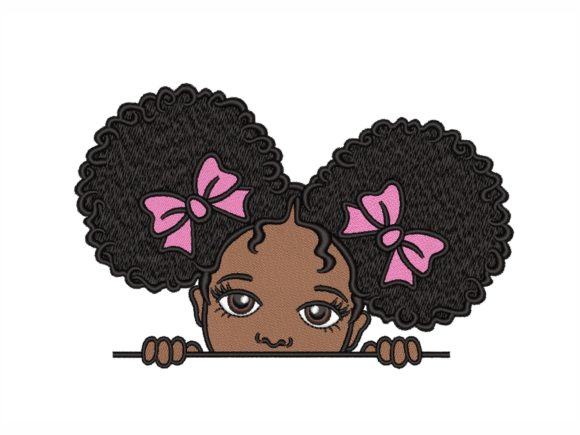
Peekaboo Girl lands with immediate warmth. It’s not overly detailed or fussy—no tiny eyelashes or micro-folds—but it carries expressive simplicity: a rounded face, slightly tilted head, hands peeking from behind a soft curve (a curtain? a blanket? the edge of a frame?). That ambiguity works in its favor. It reads as joyful, gentle, and ageless—not tied to a specific trend or season. Visually, it leans into balanced negative space and clear silhouette definition—critical for embroidery clarity. Unlike many “cute” designs that collapse into mushy satin-stitch blobs at small sizes, Peekaboo Girl holds shape even when scaled down to 3.5 inches tall. That tells me the digitizer understood fill stitch behavior and thread tension margins.
Where It Shines: Real Projects, Real Customers
I stitched Peekaboo Girl onto a natural linen tea towel first—no backing, just tear-away stabilizer. The result? Crisp edges, no puckering, and a hand-finished look customers associate with quality handmade product. It didn’t scream “machine-made”; it whispered “thoughtfully made.” That matters for Etsy sellers pricing premium kitchen textiles or boutique owners curating nursery decor.
On a 100% cotton baby onesie? Equally strong. The design’s open layout avoided dense fill areas near seams or neckbands—no stiffness, no irritation against delicate skin. Parents notice that. They also notice how Peekaboo Girl reads clearly on light fabric *and* holds up on heather grey or oatmeal—no need for underlay tricks or excessive thread layering. For small shop owners offering personalized baby embroidery, that reliability saves time and reduces returns.
The tote bag test was telling. Canvas is forgiving, but Peekaboo Girl’s moderate stitch density meant no visible stabilizer shadow through the front—even after washing. No skipped stitches, no thread breaks across curves. That’s rare in playful character designs, which often over-digitize smiles or hairlines. Here, the running stitch outlines are clean, the satin-stitch cheeks smooth but breathable. Perfect for sweatshirt embroidery or custom apparel where comfort and durability can’t be compromised.
Where to Proceed Thoughtfully
Peekaboo Girl isn’t magic—and pretending it is undermines your credibility as a craft business owner. It performs best on stable, medium-weight fabrics: quilting cotton, twill, canvas, midweight knits with light cutaway stabilizer. On thin jersey or stretchy bamboo blends? Test rigorously. The design’s gentle curves may pull if stabilizer choice or hooping tension is off. Likewise, dark fabric demands attention to thread color contrast—especially around the eyes and mouth. A pale peach satin stitch won’t pop on navy without careful thread selection or optional accent stitching.
Caps and curved surfaces require extra planning. While Peekaboo Girl avoids extreme angles or sharp corners, its central focus means placement matters. Center-front on a structured cap works; side-panel or bill embroidery risks distortion unless you resize proportionally and re-hoop precisely. And though it’s labeled under Boys, don’t assume gendered appeal—the design’s universal tone makes it equally effective on girls’ backpacks, unisex nursery pillows, or holiday embroidery for grandparents’ gifts.
Design Integrity Meets Business Sense
What makes Peekaboo Girl valuable beyond aesthetics? It supports brand consistency. Whether you’re an Etsy seller using it across tea towels, onesies, and digital embroidery files—or a small shop adding it to seasonal collections—it reads as part of a cohesive visual language: warm, intentional, quietly confident. Customers trust makers who deliver predictable quality. Every repeat order hinges on that trust.
It also elevates perceived value. A plain tote becomes a personalized gift. A basic onesie becomes a keepsake. That shift happens not just because of the image, but because the design *stitches cleanly*, looks professional in photos, and survives laundering without fraying or fading. For digital product sellers, that means better mockup renders and fewer support requests about “why it didn’t stitch right.”
Practical Designer Notes Before You Stitch
- Always test on scrap fabric first—especially if pairing with textured or dark materials.
- Check thread color contrast in both daylight and indoor lighting. What reads softly on screen may vanish on fabric.
- Review stitch density visually in your embroidery software. Avoid overcrowding near facial features—Peekaboo Girl balances this well, but verify.
- Confirm hoop size compatibility. If you work primarily with 4x4 hoops, ensure the design fits comfortably without trimming key elements.
- Inspect small details: Are the eyes legible at 2.75”? Does the smile hold shape on low-tension knit?
- Test black-and-white mockups to assess silhouette strength—critical for logo-like recognition on patches or aprons.
- Use appropriate stabilizer: Tear-away for stable wovens, cutaway for knits, and lightweight fusible for delicate layers like pillow covers.
- Verify licensing terms before selling finished items or bundling the embroidery file commercially. Not all machine embroidery designs permit resale of stitched goods or digital redistribution.
In short: Peekaboo Girl earns its place in your design assets not because it’s trendy, but because it’s *dependable*. It bridges playfulness and professionalism—exactly what handmade product creators need when balancing heart-led making with smart business decisions. Stitch it thoughtfully, pair it intentionally, and let its quiet charm do the rest.