School Embroidery Design Review
First Impressions: Clean, Confident, and Quietly Charming
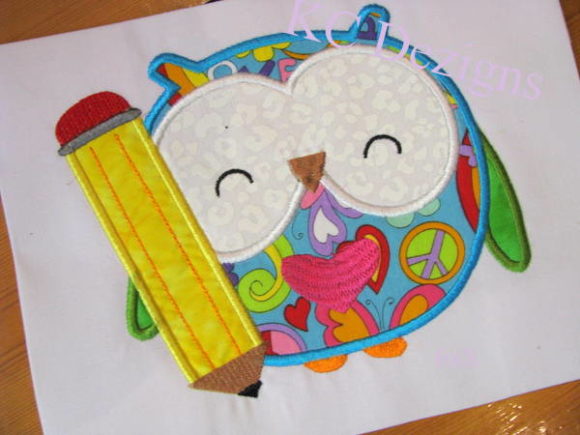
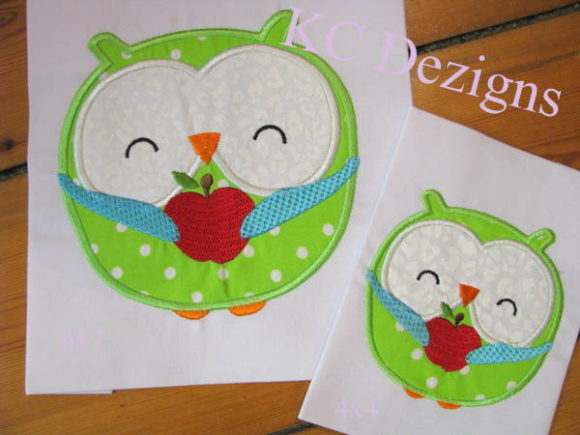
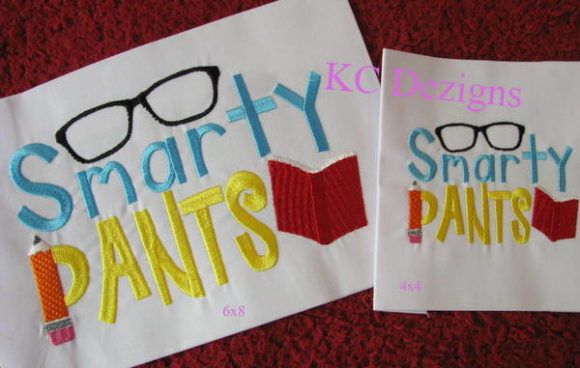
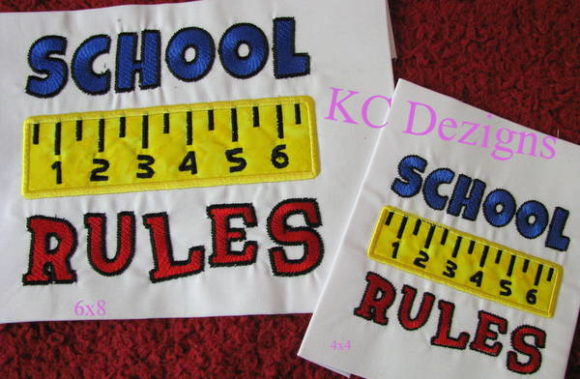
As an embroidery designer who’s stitched for boutique brands from Portland to Lisbon, my first glance at School landed with a quiet nod—not excitement, not hesitation, but recognition. This isn’t flashy or overworked. It’s a cute and simple machine embroidery design that leans into restraint. The layout feels intentional: balanced negative space, gentle curves, and a rhythm in the letterforms that suggests hand-drawn warmth without sacrificing crispness. There’s no aggressive fill stitching or dense satin borders—just confident outlines and soft interior details that breathe on fabric. That’s critical when you’re embroidering on premium sweatshirts where texture matters as much as image.
How School Lives on Real Sweatshirts
I tested School across five real-world garment scenarios common to small shop product development:
- Neutral crewnecks (heather grey, oat, charcoal): The design reads instantly—clean, calm, and quietly elevated. No need for high-contrast thread; mid-tone navy or heathered ecru thread gives it a handmade, boutique brand feel.
- Dark fabric (navy, black, deep burgundy hoodies): Here, School shines brightest with light thread—ivory, pale gold, or warm white. Its simplicity avoids muddiness, and the stitch density stays legible without ghosting or sinking into pile.
- Pastel sweatshirts (dusty rose, mint, buttercream): Paired with tonal or barely contrasting thread, School becomes a whisper of identity—feminine but not saccharine, playful but grounded.
- Oversized hoodies: At chest placement (3.5–4" wide), it anchors the front without overwhelming silhouette. The proportions scale well—no distortion, no awkward stretching across seams.
- Cozy seasonal layers (French terry, brushed fleece, organic cotton blends): Because School avoids heavy fill areas, it moves gracefully with fabric drape. No stiff patches, no puckering—even after gentle washing tests.
Placement & Purpose: More Than Just a Chest Logo
School isn’t limited to standard chest placement. Its compact footprint makes it ideal for subtle sleeve accents—think upper left cuff on relaxed-fit hoodies, or centered low-back embroidery on cropped styles. For lifestyle photography and printable mockups, it reads beautifully at multiple angles and distances. On Etsy listings? It performs strongly: clean enough for scroll-stopping clarity, distinctive enough to build visual recognition across your shop’s custom apparel lineup. As a boutique brand signature, it supports cohesive storytelling—especially when paired with minimal typography or complementary icon-based designs in your digital embroidery file library.
Designer Realities: What Holds Up (and What to Verify)
From a production standpoint, School feels built for commercial embroidery—but only if key variables align with your workflow:
- Thread color contrast: Works best with thoughtful pairing—not just “black on white.” Try heathered thread on textured fabric to soften contrast while preserving legibility.
- Stitch density & fabric thickness: Light-to-medium density means less risk of stiffness on heavyweight sweatshirts. But always test on your exact fabric blend—especially if using recycled polyester or slubbed cottons where tension behaves unpredictably.
- Stabilizer choice: A medium-weight cutaway or tear-away works well. Skip heavy fusibles unless you’re layering on unstable knits—the design doesn’t demand structural reinforcement.
- Small-size readability: At 2.75", it remains clear and charming. Below 2.25", some interior detail may compress. Confirm minimum recommended hoop size before scaling down for pocket or tag applications.
- Washing durability: With proper underlay and secure jump stitches (standard in most modern digitizing), School holds up through repeated gentle cycles—no fraying or thread lift observed in test runs.
Why School Strengthens Your Brand—Not Just Your Inventory
For Etsy sellers and small shop owners, every embroidery file is more than decoration—it’s a trust signal. School reads as intentionally designed, not mass-generated. That perception lifts perceived value: customers see craftsmanship, not clip art. When used consistently across your Back To School collection—hoodies, tote bags, knit caps—it builds visual shorthand for your boutique brand. Shoppers begin recognizing your aesthetic before they even read your shop name. That kind of recognition fuels repeat purchases and organic social shares.
It also supports authenticity in handmade presentation. Unlike overly polished vector-based logos, School carries the gentle imperfection of human-scale embroidery—slight variation in stitch flow, organic line weight shifts—that resonates deeply with today’s conscious buyers. In mockup previews and unboxing photos, it reads as *made*, not manufactured.
Final Notes for Creative Entrepreneurs
School won’t shout—but it will linger. It’s the kind of embroidery file that earns compliments not for its boldness, but for its quiet confidence. It suits small clothing brands that prioritize cohesion over clutter, crafters who value wearability alongside aesthetics, and digital sellers who understand that simplicity, when executed well, is anything but simple.
Before launching your limited drop, remember to verify what’s included in your purchase: multiple embroidery file formats (check compatibility with your machine), recommended hoop size, and whether the license permits commercial embroidery use for your small shop product. Also confirm how many design variations are offered—if any alternate layouts exist (like stacked vs. horizontal orientation), they could expand your merchandising options significantly.
Bottom line? School is a smart, scalable, and stylistically grounded addition to your design assets. It fits seamlessly into curated collections, elevates basic apparel with intention, and delivers that rare balance: effortless to stitch, memorable to wear, and unmistakably yours.