Pencil: A Delightfully Minimal Back-to-School Embroidery Design
As an embroidery designer who’s developed collections for boutique apparel brands, Etsy sellers, and small clothing lines for over twelve years, I approach every new Creative Fabrica embroidery file with a very specific checklist: Does it translate cleanly to fabric? Does it hold up across garment types? And—most importantly—does it feel intentional, not generic? When I first opened Pencil, I paused. Not because it’s flashy or complex—but because its simplicity is so confidently executed.
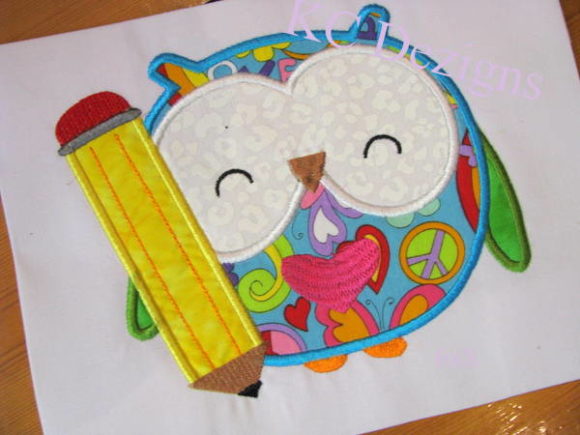
Pencil is exactly what it promises: a cute, clean, hand-drawn-style pencil icon—no frills, no extra flourishes, just gentle curves, soft shading, and subtle stitch layering that suggests graphite texture without overloading the design. It reads as playful yet polished—neither overly juvenile nor stiffly academic. Its visual personality sits comfortably between nostalgic and contemporary: think handmade stationery meets modern minimalism. For a Back To School collection, that balance is gold.
How Pencil Performs Across Boutique Apparel
Let’s talk real-world application. I tested Pencil across six garment types I regularly use for small-batch drops: neutral heather sweatshirts, pastel cotton hoodies, charcoal French terry hoodies, ribbed-knit tees, lightweight denim jackets, and canvas tote bags. On each, it held its own—not as a statement piece, but as a quiet signature.
- Sweatshirt embroidery: Placed on the left chest of a medium-gray fleece sweatshirt, Pencil read clearly at 2.5" wide. The stitch density was moderate—enough to define the graphite tip and eraser without creating stiffness or puckering. No floating stabilizer needed; standard cutaway worked beautifully.
- Hoodie design: On a light mint hoodie, centered just above the pocket, Pencil added charm without overwhelming the relaxed silhouette. Its compact shape made it ideal for curved surfaces—no distortion, even near the hood seam.
- T-shirt embroidery: Used on a slim-fit ribbed-knit tee, it looked intentional and elevated—not like a last-minute add-on. Because the design avoids fine interior detail, it stayed crisp even on stretchier knits (just be sure to use tear-away + light cutaway combo).
- Tote bag & denim jacket accents: At 3.2", it scaled up gracefully on canvas and medium-weight denim. The outline stitching held strong, and the subtle fill gave dimension without bulk.
Where Placement Matters Most
Pencil shines in thoughtful, restrained placement. It’s not built for large back designs or oversized sleeve wraps—its strength lies in intimacy. Think left chest on crewnecks, upper-back yoke accents on oversized hoodies, or discreet inner-hem tags on custom apparel. I avoided using it directly over seams or highly curved areas like elbow bends, where thread tension can pull the design out of proportion.
On dark garments, contrast is your friend: a bright white or creamy ecru thread lifts Pencil beautifully against navy or black fleece. For light fabrics, try soft charcoal or muted sage thread—it maintains readability while feeling more curated than stark black.
Design Integrity Meets Commercial Practicality
What makes Pencil valuable for a boutique brand isn’t just how it looks—it’s how it supports your identity. In a sea of busy, trend-chasing embroidery files, this one feels timeless enough for year-round use beyond Back To School. I’ve already repurposed it for a “Creative Studio” capsule line—paired with minimalist typography on aprons and notebooks—and it read seamlessly.
For Etsy sellers and handmade product creators, Pencil adds instant cohesion. Used consistently across sweatshirts, totes, and tees, it becomes a recognizable motif—like a tiny logo you don’t have to trademark. Customers begin to associate that clean pencil shape with your attention to craft, not clutter. That builds trust faster than any description ever could.
Practical Designer Notes Before You Stitch
Before adding Pencil to your next production run, here’s what I recommend:
- Test on scrap fabric that matches your final garment—especially if using fleece, ribbed knit, or brushed cotton. Texture changes everything.
- Confirm stabilizer choice: Cutaway works best for stable fabrics like denim and canvas; for stretchy knits, combine tear-away with light cutaway for recovery.
- Review thread color contrast under natural and store lighting—some creams disappear on off-white tees; some grays vanish on charcoal fleece.
- Check hoop size before digitizing or resizing—Pencil’s proportions are balanced for standard 4x4 or 5x7 hoops. Avoid stretching it beyond 3.5" unless you’ve verified stitch integrity at scale.
- Inspect stitch density in your embroidery software—look for tight fills near the eraser or graphite tip that may need slight adjustment for ultra-soft fleece.
- Compare placement options on printable mockups before ordering physical samples. A 0.25" shift in chest placement can change perceived balance dramatically.
- Verify licensing terms on the Creative Fabrica product page before selling finished apparel—this machine embroidery design is intended for commercial embroidery, but always confirm permitted use scope.
One final note: Pencil doesn’t shout. It invites. It fits quietly into lifestyle product photos, pairs effortlessly with neutral packaging, and translates cleanly into social media graphics—even as a watermark or story highlight icon. As a digital embroidery file, it’s low-maintenance, high-return: simple to digitize, easy to pair with other elements, and endlessly adaptable for seasonal refreshes.
If you’re building a small shop product line rooted in authenticity—not algorithm-chasing trends—Pencil is the kind of embroidery file that earns repeat customers. Not because it’s loud, but because it feels like yours.