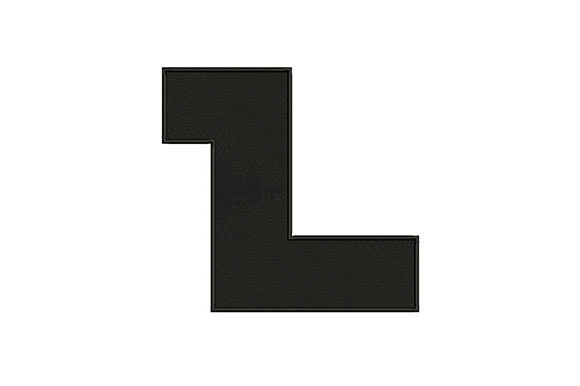
Letter L: A Timeless Embroidery Anchor for Personalized Gifts
As an embroidery designer who’s tested hundreds of machine embroidery designs for small shops, Etsy sellers, and custom gift studios, I approached Letter L with quiet curiosity—not as a standalone monogram, but as a potential emotional anchor in a personalized gift. It’s not flashy. It doesn’t shout. But in the right context—on a soft baby blanket, a linen pillow cover, or a hand-stitched apron—it carries quiet intention. That’s where its real value lies.
First Impressions: Minimalist, Meaningful, and Surprisingly Warm
Opening the Letter L embroidery file, I was struck by its blackwork simplicity—clean lines, balanced negative space, and no fill-heavy flourishes. It reads as elegant, not sterile; handmade, not generic. There’s a gentle rhythm to the stitch path—no jagged jumps or overworked corners—suggesting thoughtful digitizing. It feels classic, yes, but also quietly modern: the kind of design that looks equally at home in a nursery, a wedding keepsake box, or a teacher’s embroidered tote bag for Back To School season.
What makes Letter L special isn’t complexity—it’s clarity. In a market flooded with ornate monograms and trendy scripts, this design invites pause. It says: This matters. This person matters. That resonance is gold for handmade product sellers building trust through authenticity.
Where Letter L Shines (and Why Your Customers Will Love It)
Letter L works beautifully across high-intent gifting categories—especially where meaning outweighs mass appeal:
- Baby embroidery: Stitched in soft ecru or pale grey thread on organic cotton swaddle blankets or muslin burp cloths, it reads as tender and timeless—not cutesy or dated.
- Wedding gifts: Paired with initials or stitched alone onto linen napkins or heirloom hankies, it adds subtle sophistication without competing with florals or calligraphy.
- Nursery decor: On framed hoop art, wooden wall letters, or quilt blocks, its clean silhouette photographs crisply and scales well—even in minimalist Instagram feeds.
- Embroidered towel & kitchen textiles: Its moderate stitch density holds up on terry cloth when stabilized properly—no puckering, no thread breakage during hooping.
- Pillow covers & tote bags: At 3–4 inches tall, it anchors a side seam or corner elegantly, offering visual weight without overwhelming the fabric.
- Etsy listings & craft fair displays: Because it’s simple, Letter L renders beautifully in printable mockups—making your digital embroidery file listings feel tangible and trustworthy before purchase.
Use With Intention: Where to Proceed Thoughtfully
Like any strong design, Letter L reveals its limits only under real-world conditions. Here’s where attention pays off:
- Small lettering: Avoid scaling below 2 inches. Delicate inner angles may lose definition—always test stitch at your intended size.
- Textured fabric: Thick terry, bouclé, or heavily napped fabrics can obscure fine line work. Use cutaway stabilizer + topping (like water-soluble film) to lift stitches above texture.
- Stretchy baby clothes: Not ideal for onesies unless paired with ultra-soft knit stabilizer and reduced stitch density—check your embroidery file settings before committing.
- Curved surfaces (mugs, bottles, curved tote handles): The flat geometry of Letter L won’t wrap naturally. Stick to flat panels or rigid substrates like wood or leather.
- Dark fabric: Blackwork relies on contrast. On charcoal or navy, opt for bright white, cream, or metallic thread—not light grey—to preserve legibility.
- Frequent washing: While blackwork is inherently durable, reinforce high-wear items (like towels or aprons) with a second layer of tear-away stabilizer beneath the fabric.
Why Letter L Builds Trust—and Sales—for Small Shops
Customers don’t buy monograms—they buy belonging. When you offer Letter L as part of a curated gift set (a blanket + matching bib + embroidered onesie), you’re not selling stitches—you’re offering continuity, care, and quiet significance. That perception lifts perceived value instantly.
For Etsy sellers and local gift shop owners, this translates to stronger product photography (clean lines = clean thumbnails), higher engagement on social previews, and fewer “Is this really handmade?” questions. Its restraint signals confidence—not filler. And because it’s versatile across age groups and occasions, it reduces inventory risk: one embroidery file supports baby showers, weddings, teacher appreciation, and Back To School launches.
Practical Embroidery Notes Before You Stitch
Before using Letter L on customer orders—or listing it as part of a digital embroidery file bundle—run these checks:
- Test on scrap fabric matching your final product’s weight and stretch.
- Compare thread colors across light and dark fabric mockups—don’t assume blackwork means “black thread.” Cream, slate, or blush often elevate the design more than true black.
- Confirm hoop size compatibility—some versions may require larger hoops for optimal tension.
- Review stitch density: if it feels overly dense for lightweight linens or delicate knits, adjust underlay or reduce density slightly (if your software allows).
- Always use appropriate stabilizer—cutaway for stretchy or unstable fabrics, tear-away for stable wovens, and topping for napped surfaces.
- Check small details after stitching: inner corners, sharp points, and thread ends should be crisp—not frayed or skipped.
- Verify commercial licensing terms. Since this is a machine embroidery design marketed for creative projects, confirm whether resale of finished products is permitted before launching wholesale or Etsy bundles.
In short: Letter L isn’t just another letter. It’s a reliable, emotionally intelligent tool—one that helps small business owners, crafters, and gift designers say something meaningful, without saying too much.